June 2026
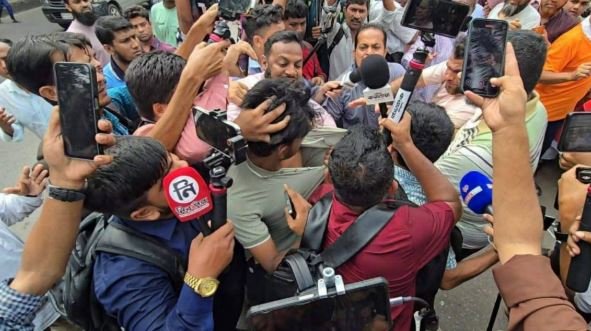
The human rights situation in Bangladesh during June 2026 remained marked by political violence, restrictions on civil liberties, attacks against religious minorities, custodial deaths, and incidents of mob violence. Although the overall number of political violence incidents remained almost unchanged compared with the previous month (29 incidents in June compared to 28 in May), political clashes continued to cause significant casualties, resulting in 15 deaths, 219 injuries, and 37 incidents of vandalism. Analysis of the documented cases indicates that most political violence during the reporting period stemmed from intra-party conflicts within the Bangladesh Nationalist Party (BNP), largely driven by disputes over local leadership, political influence, committee formation, and business interests, while confrontations involving other political parties also continued.
May 2026
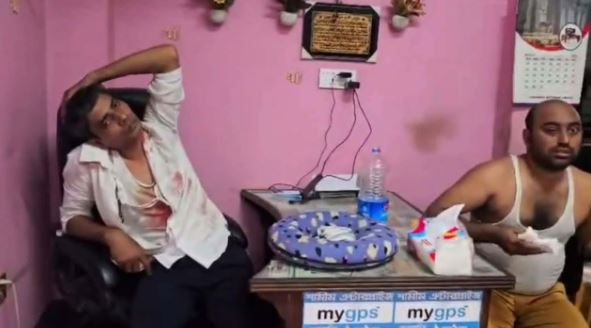
The human rights situation in Bangladesh during May 2026 continued to face serious challenges, with political violence, attacks on journalists, and restrictions on freedom of expression remaining major concerns. Political clashes across the country resulted in 4 deaths and 189 injuries, reflecting ongoing tensions and instability among political groups. Freedom of expression and press freedom also remained under pressure. During the month, 28 journalists were physically assaulted and 5 cases of legal harassment were reported. Journalists faced attacks while performing their professional duties, along with arrests and legal actions that created further obstacles to independent reporting. In addition, custodial deaths, mob violence, and incidents affecting religious minorities highlighted broader concerns regarding accountability and protection of fundamental rights. The reported incidents demonstrate the urgent need for stronger safeguards, transparent investigations, and institutional accountability to ensure civic freedoms and human rights for all citizens.
April 2026
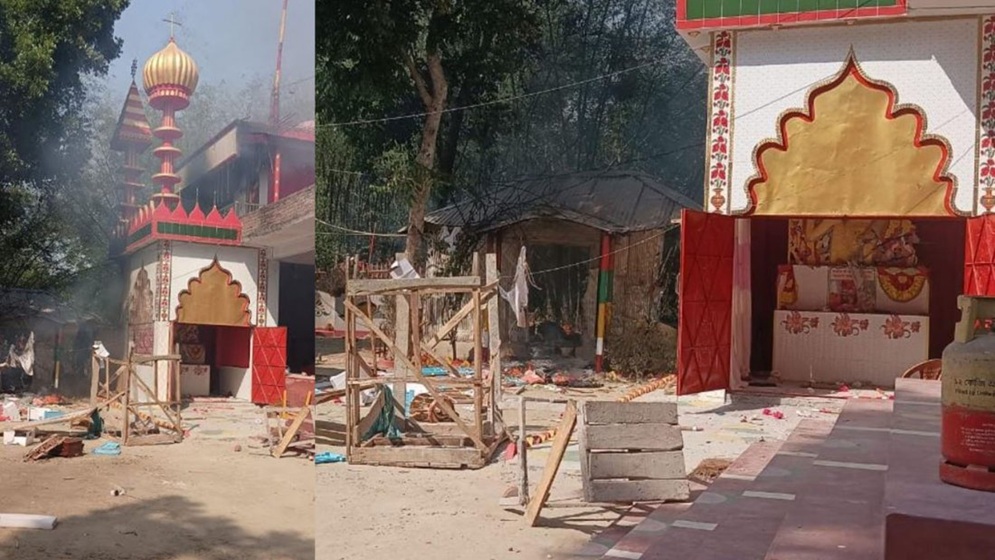
The human rights situation in Bangladesh during April 2026 reflects a continuation of violence, restrictions on civil liberties, and institutional weaknesses, with notable shifts in patterns compared to the previous month. Political violence remained widespread, with 38 incidents resulting in 6 deaths and 311 injuries, indicating frequent large-scale clashes with relatively lower fatalities. Attacks on religious minorities were fewer in number. Still, they were marked by severe destruction, including 35 cases of vandalism and one fatal incident, most notably the killing of Pir Abdur Rahman Shamim in Kushtia following allegations of Quran desecration, where his shrine was also attacked and set on fire. Custodial deaths persisted, with six reported cases across prison facilities and law enforcement operations.
March 2026
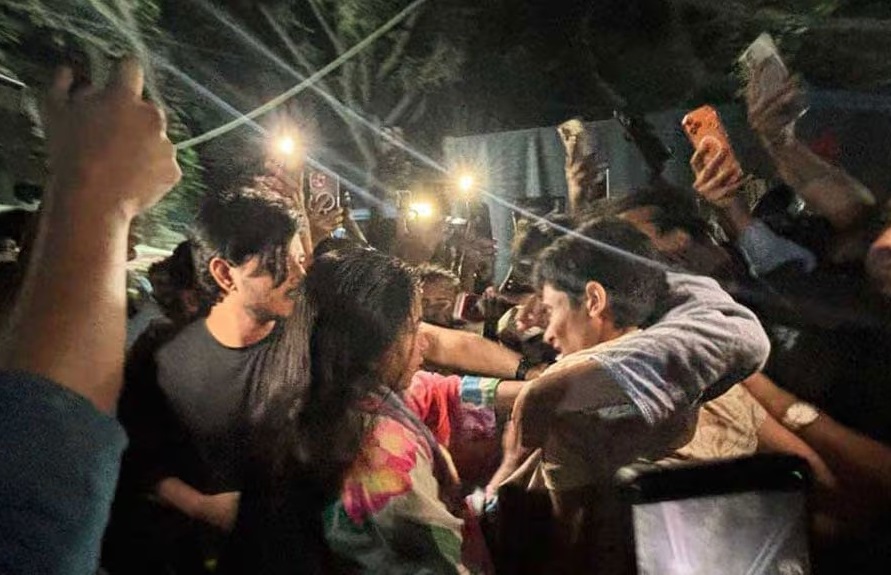
The human rights situation in Bangladesh during March 2026 reflects a concerning pattern of persistent violence, institutional weaknesses, and shrinking civic space. Throughout the month, incidents of political violence, custodial deaths, attacks on religious minorities, mob justice, and assaults on journalists were recorded across multiple regions. Additionally, mob violence led to four deaths, including three lynching cases and one suicide following public humiliation, while several other incidents involved torture, social humiliation, and cultural suppression. The overall scenario suggests a deteriorating environment where violence is increasingly normalized across political, social, and institutional spheres. Although law enforcement agencies were present in many cases and often intervened after incidents occurred, their role remained largely reactive, with limited evidence of preventive measures or successful prosecution. This combination of frequent violence and weak accountability mechanisms continues to undermine the rule of law and public trust in state institutions.
February 2026
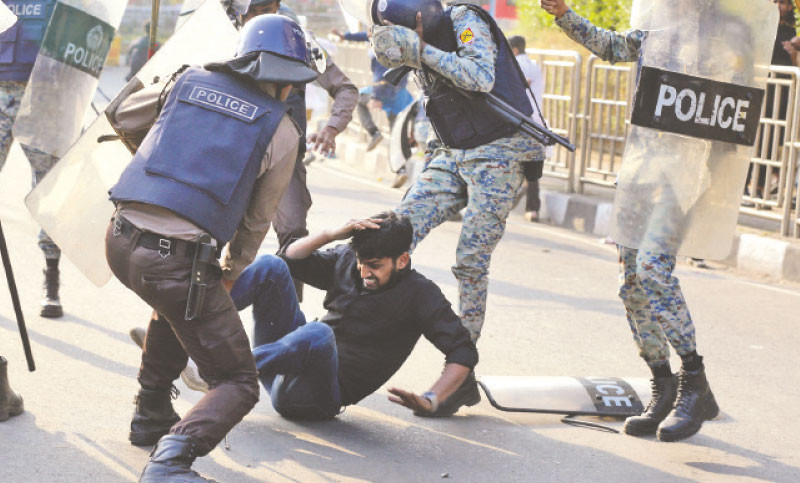
February 2026 witnessed a range of incidents affecting political stability, civil liberties, and public safety across Bangladesh. The month was particularly marked by election-related tensions surrounding the 13th parliamentary election, which contributed to political clashes, attacks on journalists, and intimidation in several districts. Alongside political violence, incidents involving religious minorities, indigenous communities, mob justice, and custodial deaths continued to raise concerns about the protection of vulnerable groups and the accountability of law enforcement institutions. Public demonstrations by students, journalists, and activists also reflected growing civic responses to issues such as police conduct, violence against women, and electoral tensions. The following sections present an overview of key incidents recorded during February 2026, highlighting trends in political violence, freedom of expression, freedom of assembly, and other areas affecting social stability and public rights in Bangladesh.
January 2026
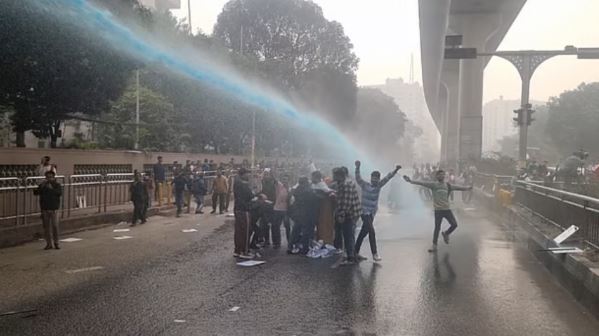
In January 2026, at least 25 people were killed and more than 400 were injured in incidents related to political violence, attacks on religious minorities, custodial deaths, mob violence, and suppression of civic freedoms across Bangladesh. The month was marked by heightened political tension ahead of the national election to be held on 12 February 2026 , escalating inter-party conflicts, persistent targeting of religious minorities, and recurring attacks on journalists and indigenous communities. The overall human rights situation reflected growing instability, weak law enforcement accountability, and a shrinking civic space. Violent political confrontations, religiously motivated attacks, custodial deaths, and restrictions on freedom of assembly indicated a deteriorating environment for democratic participation and civil liberties. These included the assassination of a BNP leader in Jashore, repeated deadly attacks on Hindu business owners, and violent confrontations between police and protesting workers. Together, these events reveal a persistent pattern of insecurity and institutional fragility.
January 2025
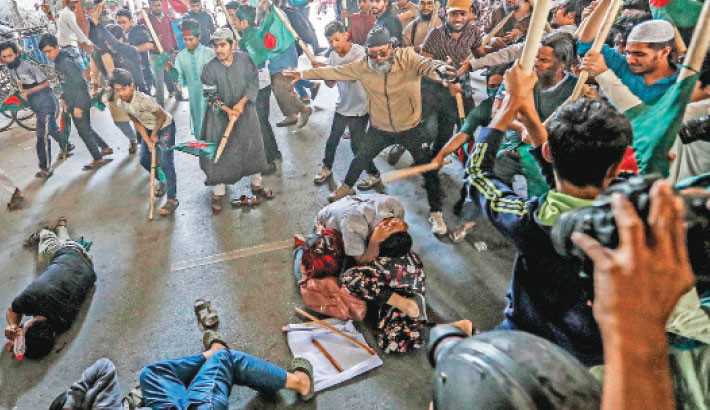
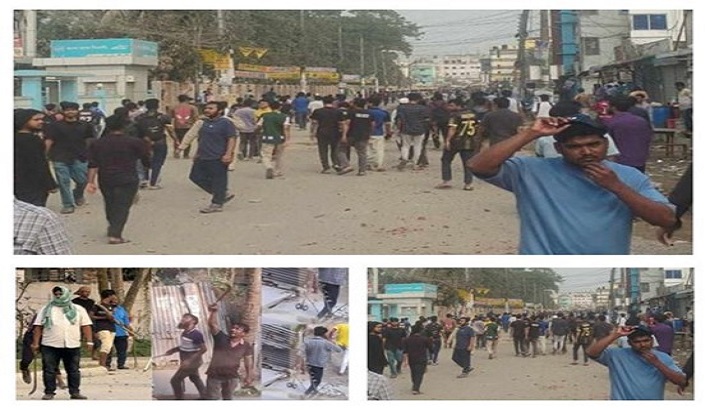
In January 2025, Bangladesh witnessed significant human rights violations, particularly targeting religious minorities, journalists, and political activists. Religious minorities faced eight cases of vandalism, while journalists suffered one physical attack and three incidents of vandalism. Political violence was severe, with 11 killings, 358 injuries, and multiple acts of vandalism, primarily affecting BNP (275 cases, most of them were internal conflict), Jamaat-e-Islami (33), Awami League (11) and Anti-discrimination Students Movement (27). Additionally, six custodial deaths took place in prison and in the custody of Law Enforcement Agencies (LEAs). The Indigenous community experienced one killing and 12 physical attacks including the incident in front of NCTB on 2 January 2025.
February 2025
The human rights situation in Bangladesh during February 2025 reflects concerning trends, particularly in political violence, attacks on minorities, journalists, and human rights activists. Compared to previous months, political violence has escalated, affecting various factions. Attacks on religious minorities and journalists indicate increasing suppression of fundamental freedoms. Deaths in custody and the mass arrests under 'Operation Devil Hunt' raise serious concerns regarding state actions and legal rights. This report provides a comparative analysis to understand the evolving human rights scenario and highlights areas requiring urgent investigation.
March 2025
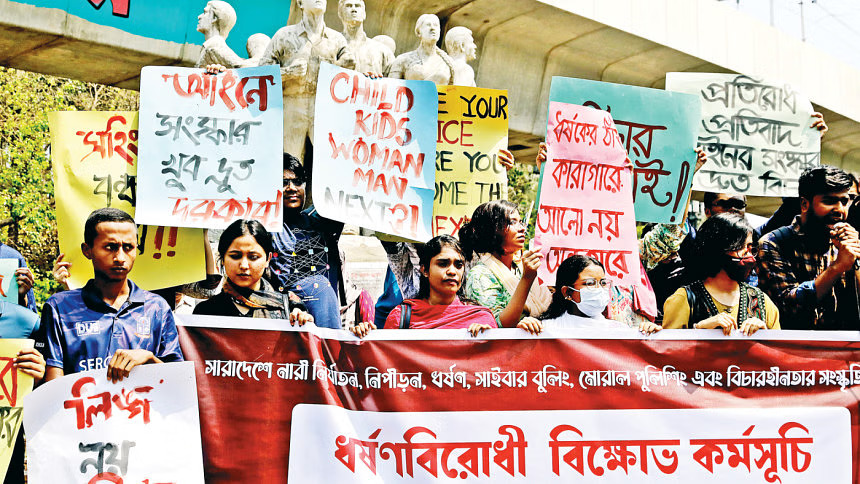
In March 2025, Human Rights Report shows the alarming rise in gender-based violence—particularly rape and sexual harassment reflects deep-seated injustice to the women and children. An 8-year-old child victim's death after rape shocked the people countriwide. Political violence continues and casualties are rising in power struggles. Attacks on shrines, minority religious groups, and activists have continued this month. Attack on journalists and human rights defenders continued this month. Labor unrest in the RMG sector exposed economic exploitation, with protests met by state violence rather than accountability for wage theft. The inaction and laxity of the police in these incidents have raised concerns. Some cases, the police have taken an aggressive role in controlling the workers' movement.
April 2025
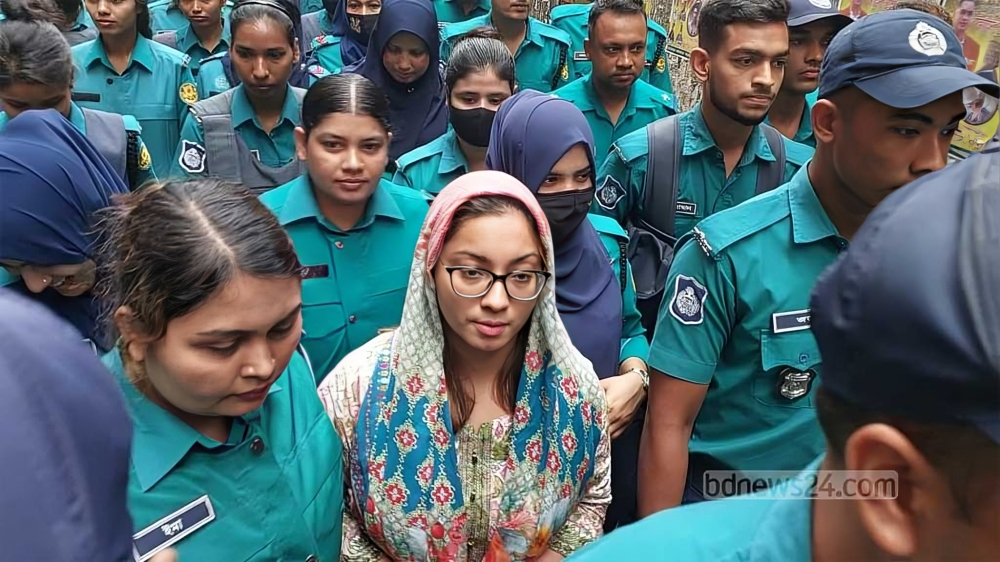
The Human Rights situation in Bangladesh remains fragile in April 2025. The statistics we have collected unfolded the backdrop of intensifying political tensions, cultural polarization, and the continued shrinking of civic space in Bangladesh. This report provides a critical overview of key human rights concerns observed during the month, focusing on violations against religious minorities, journalists, political activists, and marginalized communities. Model Meghna Alam has been arrested under the Special Powers Act, a law enacted 50 years ago, once again highlighting the misuse of state power against citizens. We have also observed the events before and after the Noboborsho 1432 (Bengali New Year), significant legal and institutional harassment of the press. Organized mob attacks are being institutionalized over time. This signals a deepening contest over national identity and freedom of expression. In April, a total of 46 unidentified dead bodies were recovered across the country, further highlighting the deteriorating law and order situation in Bangladesh.
May 2025
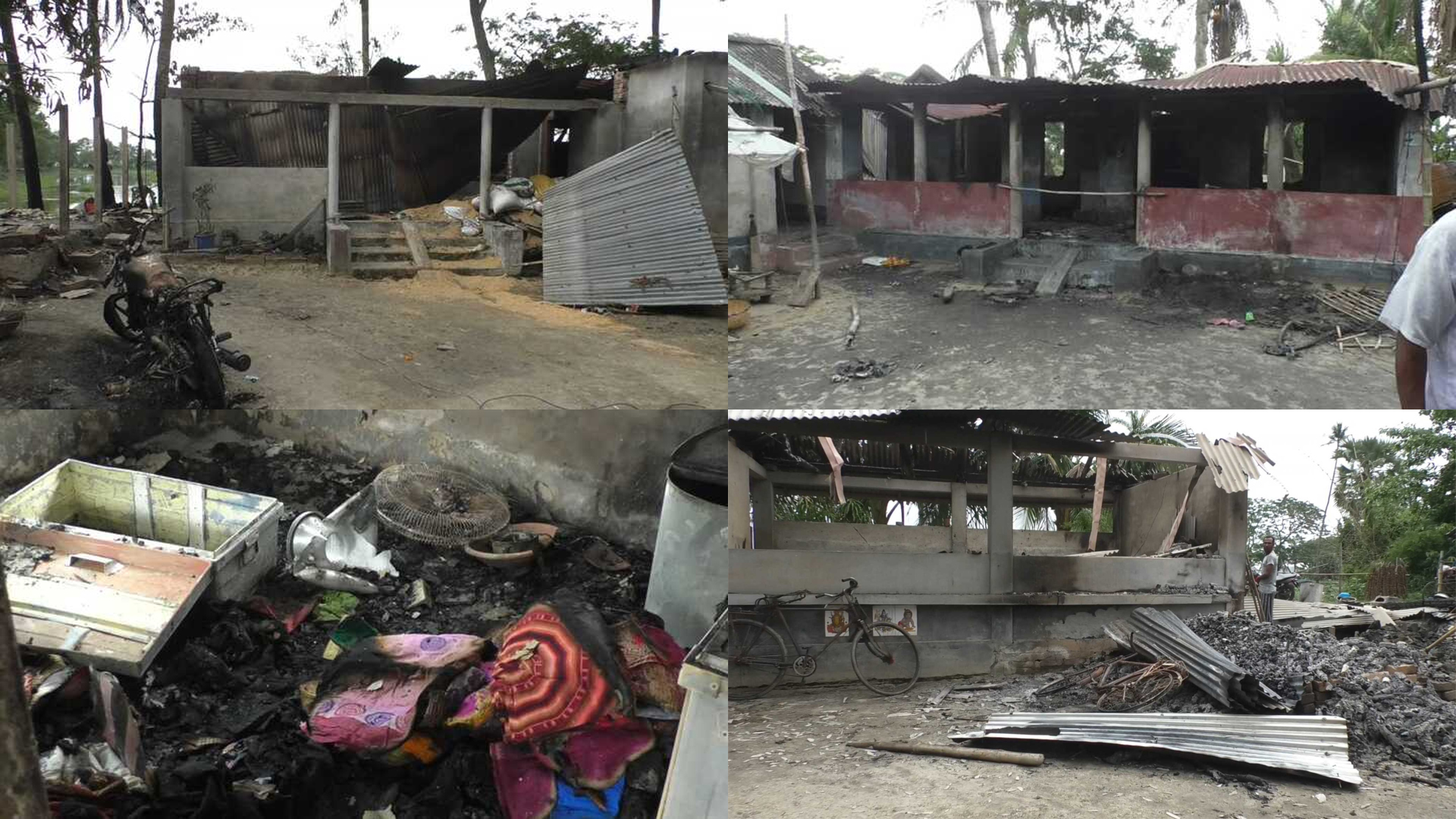
The human rights situation in Bangladesh deteriorated significantly in May 2025, as evident in the widespread patterns of violence, repression, and discrimination reported across various sectors of society. The month was marred by political conflict, violence against minority groups, attacks on journalists and cultural figures, and systemic failures in law enforcement and the judicial system. This report synthesizes key incidents into a comprehensive analysis under major themes of human rights violations and aims to contextualize these within broader socio-political dynamics. Bangladesh's ongoing challenges stem from weak institutional accountability, politicized law enforcement, and an environment of impunity that emboldens perpetrators. Civil society actors, journalists, minority groups, and human rights defenders remain under threat, and democratic spaces continue to shrink. This report draws from documented incidents and media accounts to provide a human rights-based interpretation of these developments.
June 2025
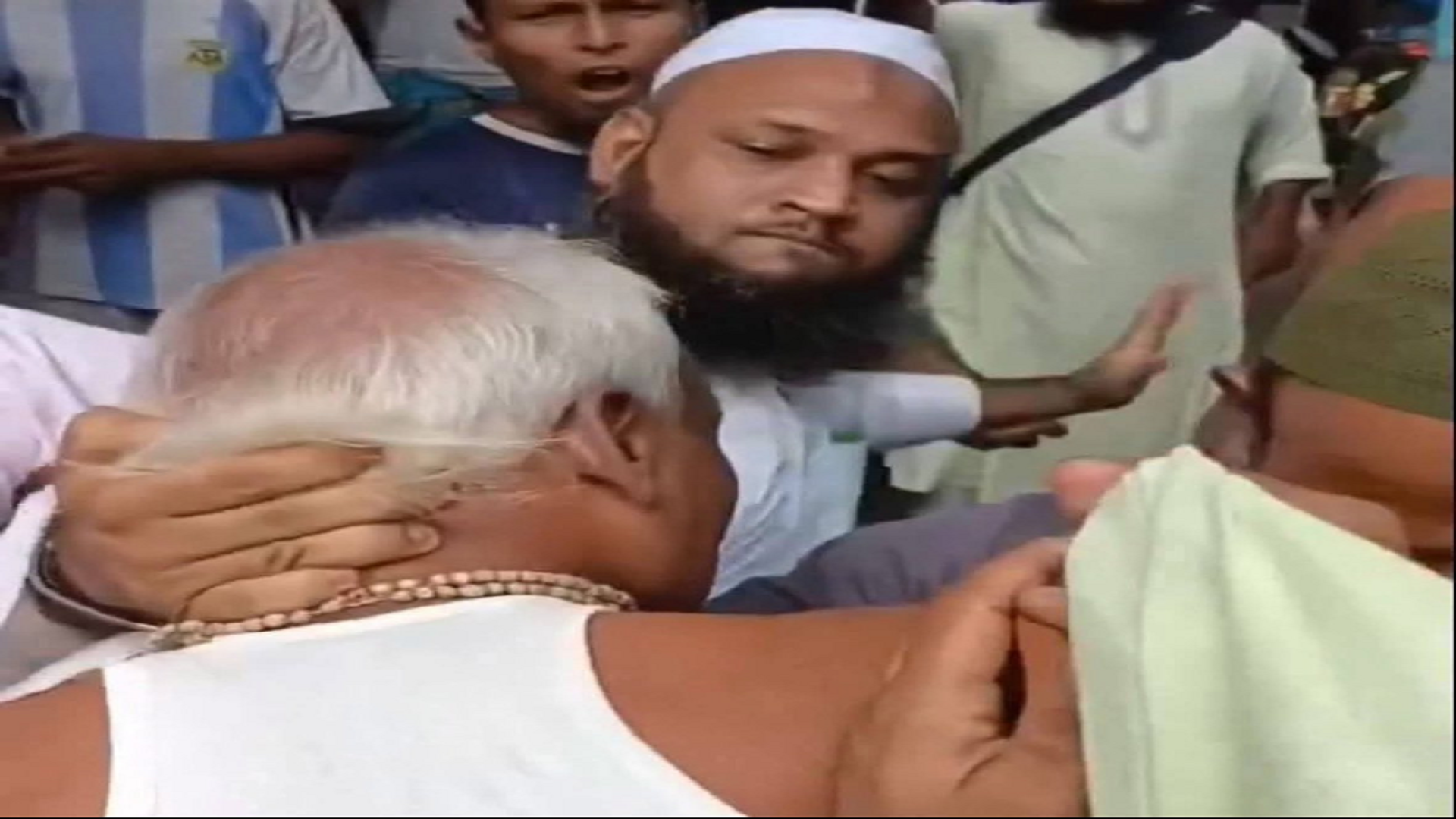
The human rights landscape in Bangladesh during July 2025 remained highly concerning, with escalating political unrest, increased gender-based violence, continued attacks on minority communities, and systematic suppression of free expression. The country witnessed widespread political violence, targeting of journalists and human rights defenders (HRDs), mob violence, and alarming custodial deaths. The data presented in this report reflect ongoing institutional failures to uphold democratic norms, equal protection under the law, and fundamental human rights. The state's selective application of justice and repression of dissent indicate a deteriorating rule of law and shrinking civic space.
July 2025
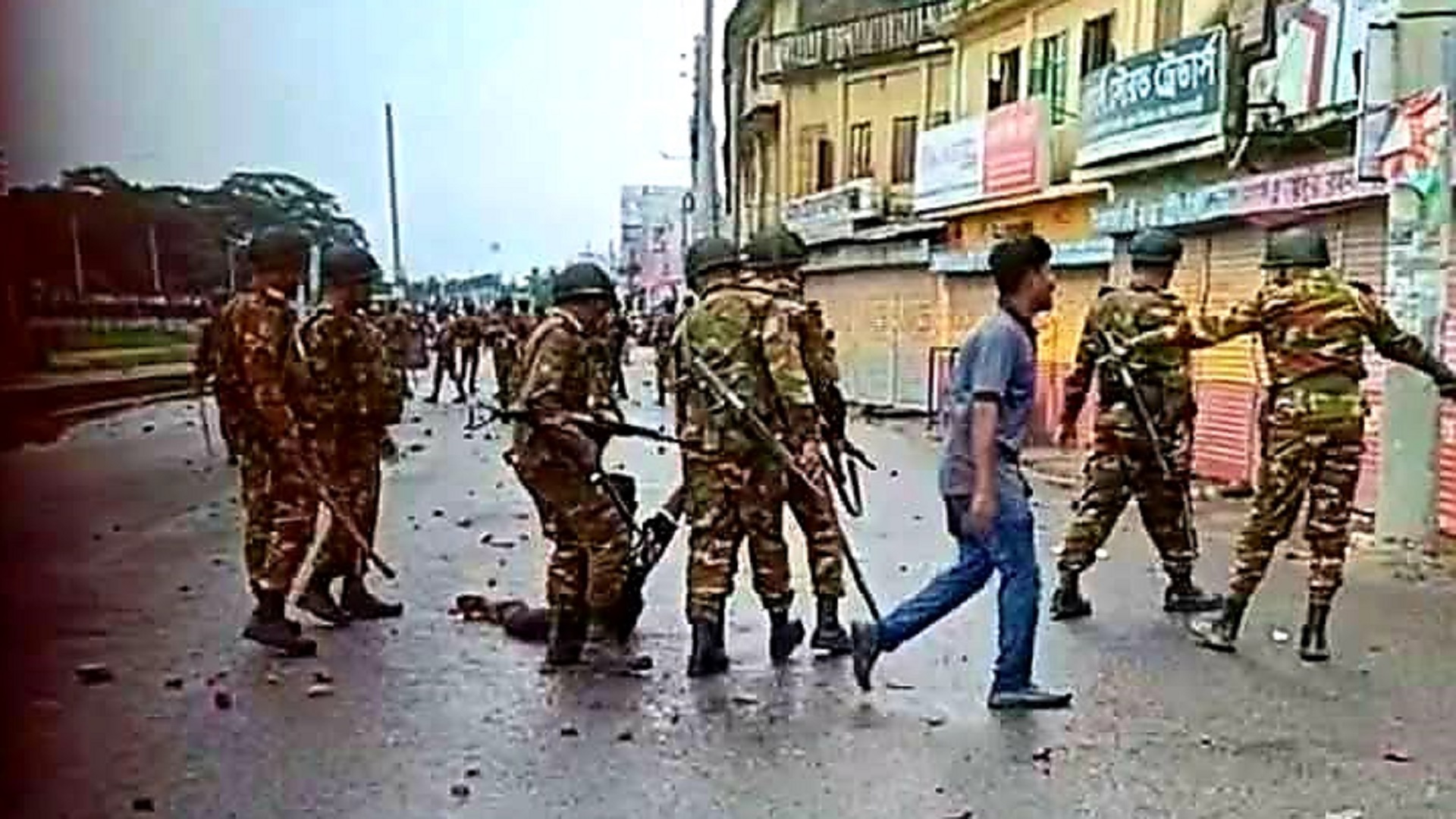
The month of July 2025 witnessed a continued and concerning trend of human rights violations, marked by various forms of violence, restrictions on fundamental freedoms, and significant challenges to the protection of vulnerable communities. A high number of incidents related to political unrest, targeted violence against minorities, and severe limitations on freedom of expression underscore a deteriorating human rights environment. The prevalence of mob violence and incidents of state-perpetrated deaths further highlight the need for greater accountability and the safeguarding of basic human dignity.
August 2025
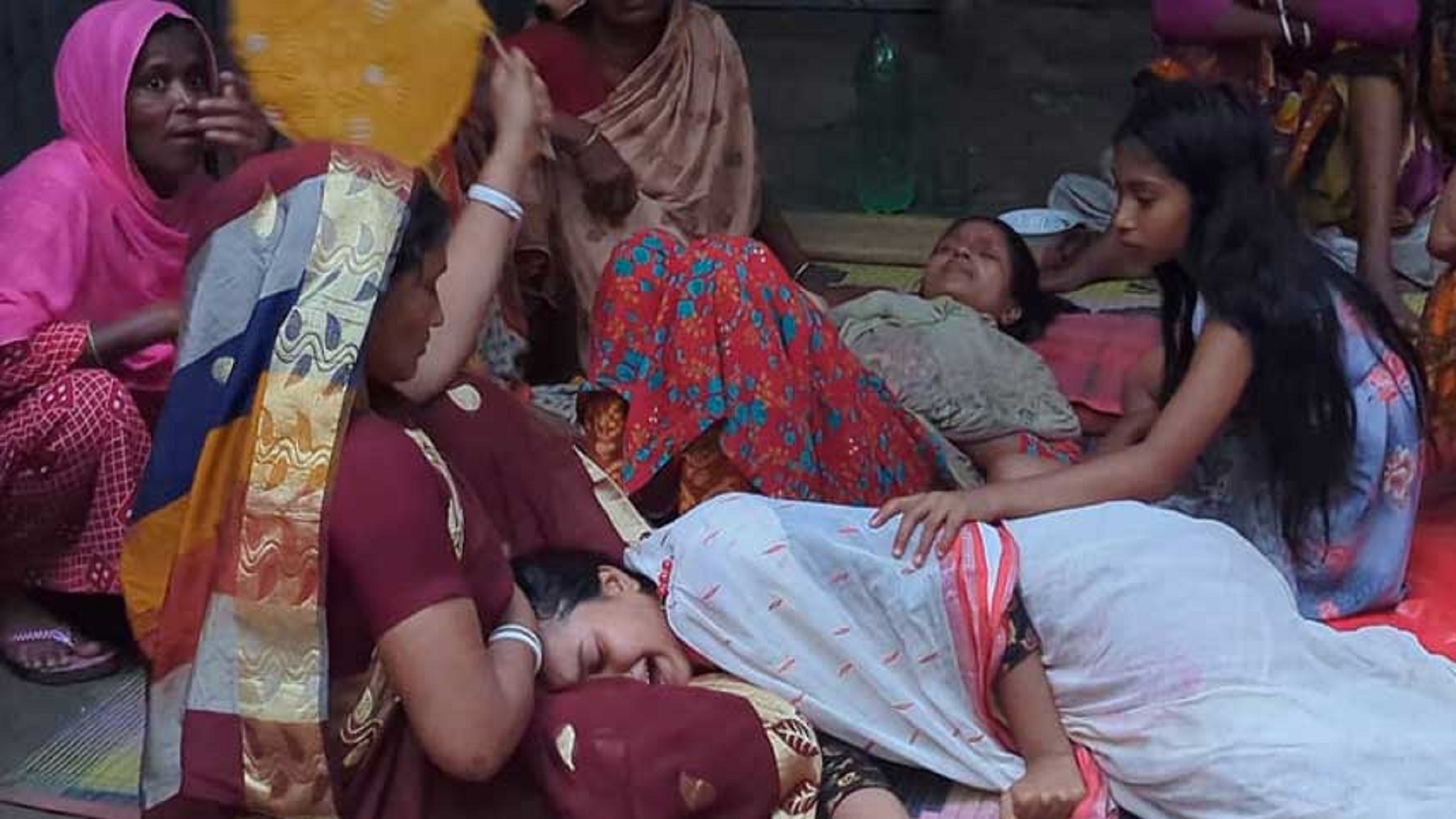
August 2025 revealed severe challenges to human rights, justice, and democratic freedoms in Bangladesh. The month recorded 51 incidents of mob violence, leaving 21 dead and 38 injured, reflecting a collapse of public trust in legal institutions and the lethal consequences of extrajudicial action. The lynching of two Dalit men in Rangpur over false theft accusations highlighted how rumor, prejudice, and caste discrimination can escalate into brutal deaths. Similar incidents occurred in Bogura, Mymensingh, and Keraniganj, disproportionately affecting the poor, minorities, and socially marginalized. Between January and July, river police recovered 301 bodies nationwide, including four in Buriganga on August 23, underscoring systemic failures in crime prevention, victim tracing, and forensic capacity. Meanwhile, a “Moncho 71” event on August 28 at Dhaka Reporters Unity was violently disrupted, with participants, including former minister Abdul Latif Siddiqui, assaulted and taken into police custody, raising concerns about freedom of speech and peaceful assembly. Together, these incidents illustrate urgent gaps in state protection, justice delivery, and democratic rights.
September 2025
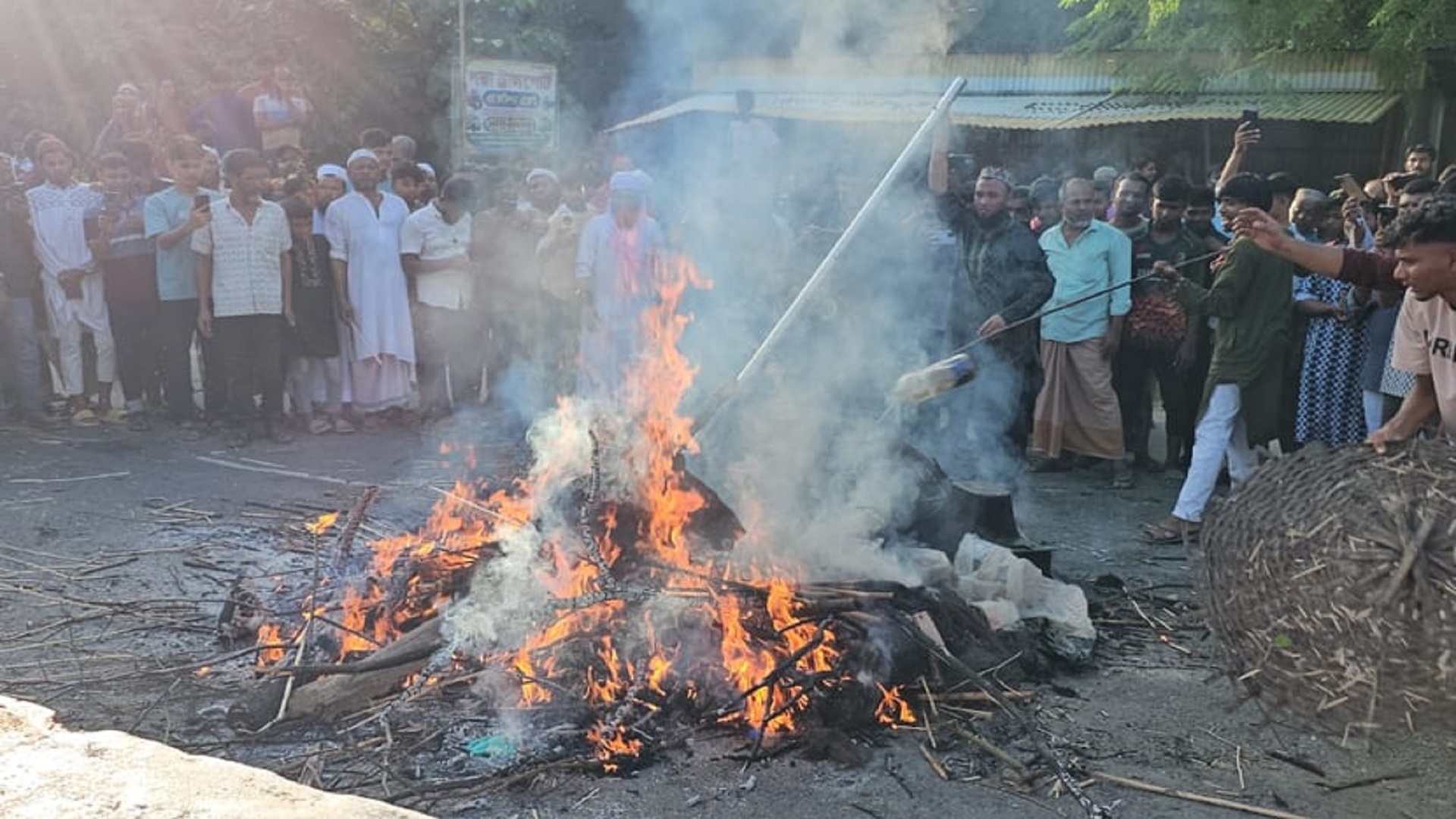
In September 2025, the overall human rights condition in Bangladesh became more alarming than in previous months. Political clashes, communal attacks, and violations of free expression occurred across different parts of the country. Most political violence took place within the BNP, while clashes between Sunni and Qawmi groups in Chittagong added a new layer of unrest. Attacks on religious minorities also increased, the most shocking being the assault at Nurul Pagla’s shrine in Rajbari, where a mob desecrated a grave and burned a body. Journalists faced frequent attacks and threats, making it difficult for them to work freely. At the same time, several people died in police and prison custody, raising serious questions about justice and state accountability.
October 2025
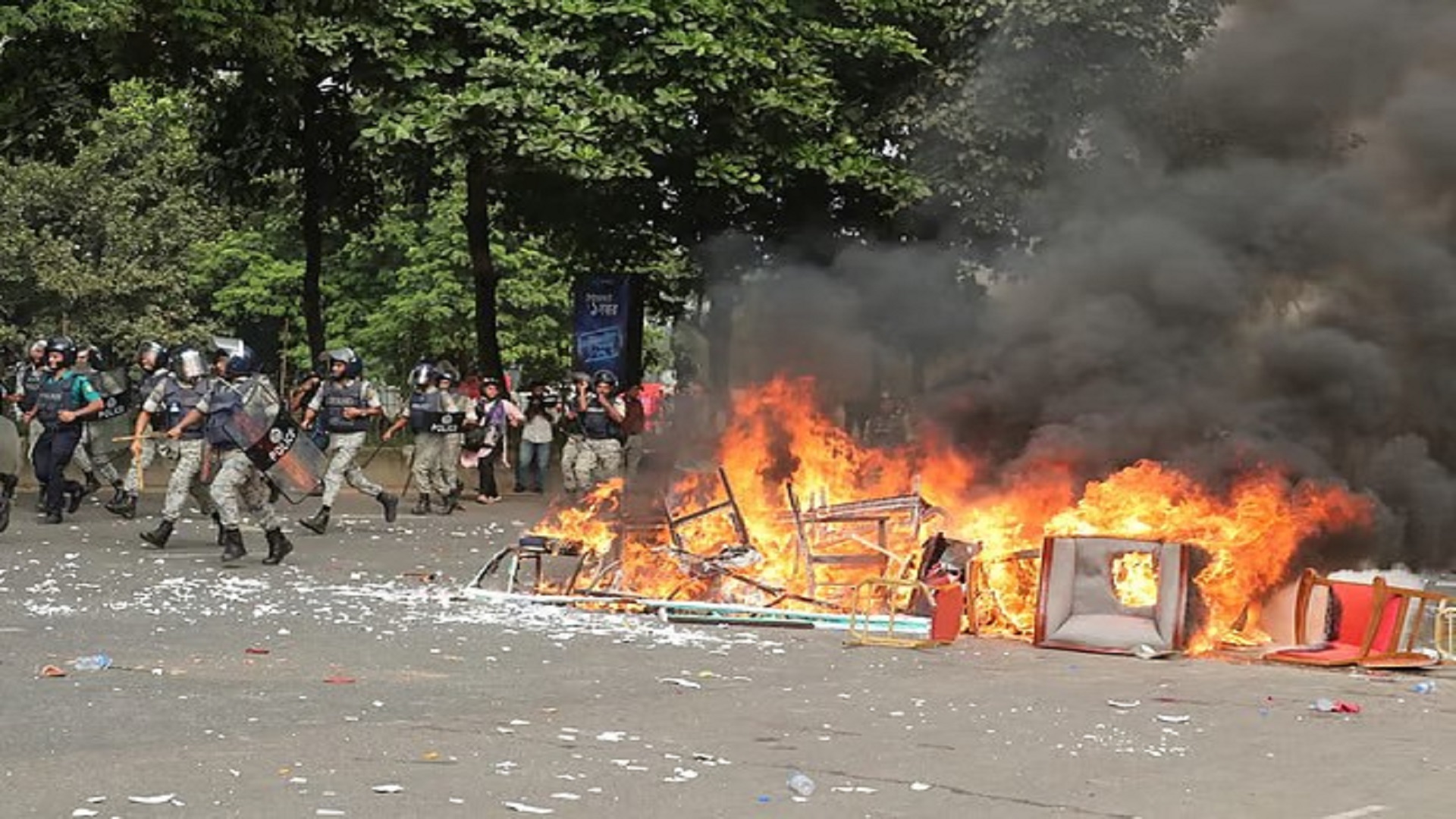
In October 2025, the overall situation remained tense across several districts of Bangladesh due to continued political instability, factional conflicts, and targeted acts of violence. Political clashes resulted in deaths, large numbers of injuries, and scattered incidents of vandalism. Religious minorities and indigenous communities faced harassment, intimidation, and property-related attacks. Journalists and media workers continued to experience physical violence, intimidation, and legal pressure, reflecting ongoing challenges to freedom of expression. Additionally, deaths under state custody remained a point of concern. The month’s incidents indicate an environment marked by volatility, mistrust, and recurring cycles of confrontation and retaliation.
November 2025
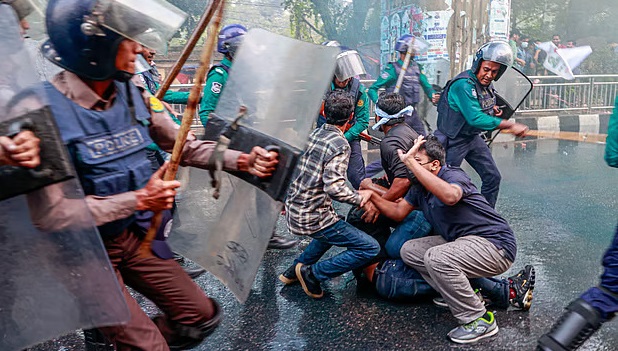
In November 2025, Bangladesh experienced significant socio-political turbulence characterized by escalating political violence and systemic rights violations. Conflict-related clashes resulted in six deaths and approximately 250 injuries, while mob aggression and factional infighting created a persistent climate of insecurity for ordinary citizens. Human rights concerns were further deepened by targeted attacks on religious minorities and journalists, who faced physical assaults, legal harassment, and death threats. Additionally, state authorities used force to disperse peaceful demonstrations, leading to hundreds of injuries and raising alarms over custodial deaths and a lack of institutional accountability. Collectively, these events underscore a volatile environment where freedom of expression and the protection of vulnerable groups remain severely compromised.
December 2025
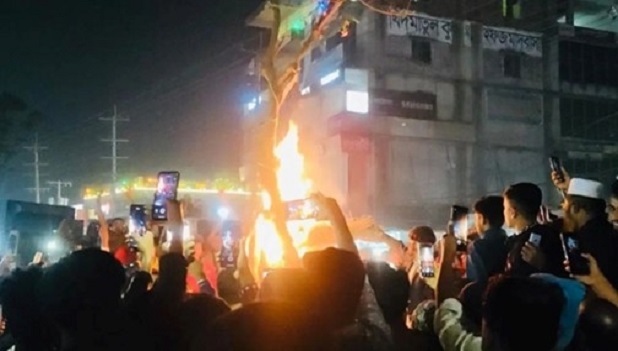
December 2025 was marked by a serious deterioration of human rights in Bangladesh, with rising violence, attacks on expression, and large-scale state repression. The killing of Dipu Chandra Das, a Hindu worker lynched following an allegation of religious defamation, shocked the nation and drew international condemnation, exposing the acute vulnerability of religious minorities. Freedom of expression faced unprecedented threats as the offices of Prothom Alo and The Daily Star were attacked and set on fire, alongside assaults on cultural institutions including Chhayanaut and Udichi Shilpigoshthi. These incidents signaled a dangerous erosion of press freedom and cultural space. Meanwhile, Operation Devil Hunt Phase 2, which led to the arrest of 12,607 people, raised grave concerns over mass arrests, due process, and political targeting. Together, these developments reflect a deepening human rights crisis marked by impunity, intolerance, and shrinking civic space.